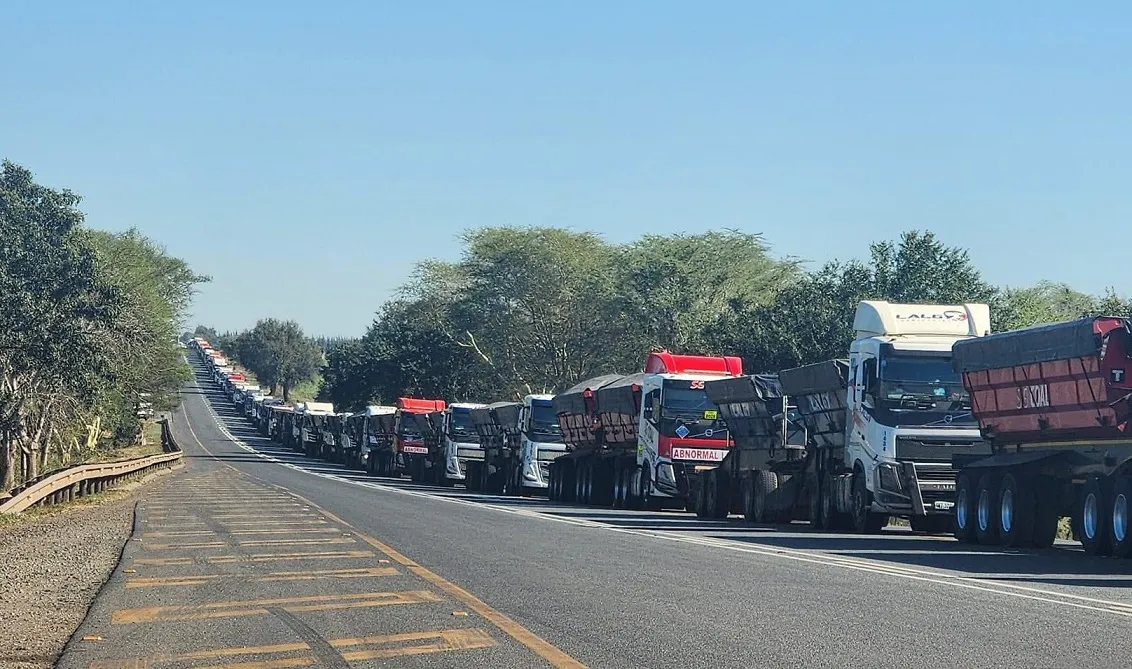
Zambia and the Democratic Republic of Congo (DRC) have signed an agreement to construct a 145-kilometer road connecting Kolwezi in the DRC’s mineral-rich Lualaba Province to Lumwana in Zambia. The project, which will run through the Kambimba-Sakabinda border posts, is the latest in a series of efforts by both nations to deepen economic ties and streamline the movement of goods and services across their shared border.
This ambitious infrastructure initiative, formalized by Zambia’s Infrastructure Minister Charles Milupi and DRC’s Infrastructure Minister Alexis Muvunyi, includes the establishment of a one-stop border post to expedite customs operations. The road is part of Zambia’s broader infrastructure development plan, which encompasses upgrades to critical routes like the Pedicle Road and the Chembe border post on the Luapula River. For the DRC, the project promises improved access to regional ports, reducing logistical barriers and fostering integration into Africa’s trade corridors.
While the project is positioned as a trade enabler, its real value may lie in its potential to unlock further growth in the mining sector. Lualaba Province, home to 65% of the world’s cobalt and copper reserves, plays a critical role in the global transition to renewable energy, as these metals are key components in electric vehicle batteries. Improved transport links are expected to lower costs for mining operators and speed up the movement of raw materials to export markets.
Work on the project has already begun. Zambia’s Sandstone Consortium Limited is handling the 85-kilometer stretch on its side of the border under a Public-Private Partnership (PPP) model. Toha Investment Limited, a Congolese firm, will take on the remaining 60 kilometers, with mobilization on the DRC side anticipated by mid-December.
Despite the fanfare surrounding the agreement, execution will not be without hurdles. Infrastructure projects in the region often face delays due to bureaucratic inefficiencies, funding gaps, and governance challenges. Success will depend on whether the two governments can deliver the project on schedule and ensure that its benefits extend beyond mining conglomerates to local communities who often see little of the economic windfall such developments promise.
If successful, the Kolwezi-Lumwana link could mark a turning point, enhancing trade flows, driving industrial growth, and underscoring the economic potential of deeper regional cooperation.