Gold export data from the Democratic Republic of Congo (DRC) for the first half of 2024 has revealed a striking disparity in sales prices among key players in the market. The rebranded DRC Gold Trading, formerly known as Primera Gold—a joint venture between the Congolese state and UAE partners now fully state-owned—achieved an average selling price of $64,502 per kilogram. In sharp contrast, Kibali Gold, Africa’s largest gold mine and majority-owned by Barrick Gold and AngloGold Ashanti, sold its production at an average price of $46,214.8 per kilogram, a difference of nearly $20,000 per kilogram.
Even artisanal miners in Ituri and North Kivu provinces, who sell unrefined gold, secured better returns than Kibali. Their production fetched an average price of $59,500 per kilogram, outperforming Kibali Gold by over $13,000 per kilogram. These discrepancies are not new. In 2023, Primera Gold and artisanal miners sold their gold at $59,509 and $38,484.4 per kilogram, respectively, while Kibali lagged at just $30,915.6.
The gap in pricing raises questions about Kibali Gold’s sales strategies and its reliance on forward agreements or other mechanisms that may lock in prices below market averages. Despite being listed on the New York and Toronto stock exchanges, Barrick Gold and AngloGold Ashanti have consistently underperformed in securing premium prices compared to both artisanal miners and DRC Gold Trading. Neither company has provided sufficient transparency regarding their sales processes, leaving it unclear whether their pricing stems from hedging strategies, supply chain inefficiencies, or other contractual arrangements.
Implications for Public Revenues
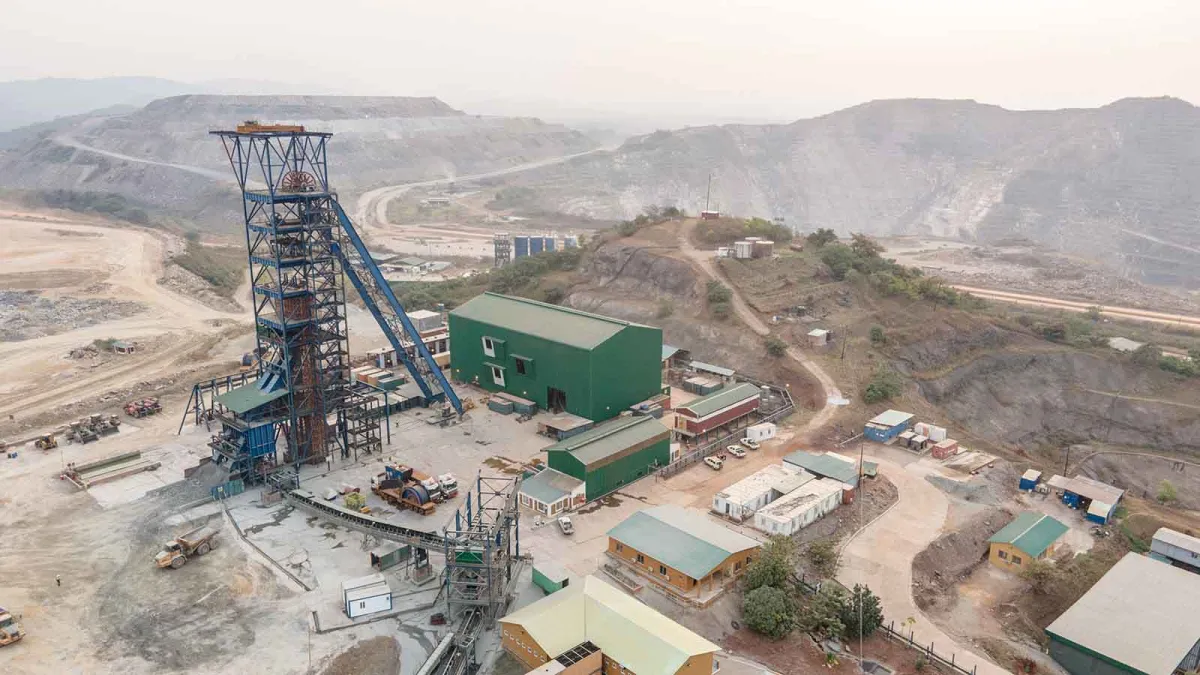
This pricing disparity has broader implications for public revenues in the DRC, particularly given Kibali Gold’s outsized role in the country’s gold exports. In the first quarter of 2024, Kibali accounted for 88.2% of the DRC’s total reported gold exports. As a result, the central government and the Haut-Uele province, where the mine is located, depend heavily on royalties, taxes, and revenues tied to Kibali’s production. Sokimo, the Congolese state mining company that holds a minority stake in Kibali, also benefits from its shareholding, but royalties based on sales value form a critical component of government revenues.
Market data reviewed by Bankable Africa indicates that the DRC government collected $27.8 million in royalties from Kibali Gold between January and September 2024, a 9% increase from the $25.5 million collected during the same period in 2023. However, this increase pales in comparison to the 37% surge in international gold prices over the same period. Moreover, Barrick Gold reported an 8% drop in quantities sold during this timeframe, compounding concerns over lost revenue potential.
The gap between the rise in royalties and the surge in gold prices points to inefficiencies in value capture, particularly for a government that urgently needs resources to fund its development initiatives. With Kibali Gold consistently selling its output at lower-than-average prices, the DRC risks leaving significant value on the table, diminishing its ability to finance critical infrastructure, education, and healthcare programs.
Unanswered Questions in the Supply Chain
The pricing inconsistencies also highlight lingering challenges in transparency within the DRC’s extractive sector.
While the government has made strides in improving oversight, critical gaps remain in understanding how prices are set across the value chain. Artisanal miners, despite operating in less formalized structures, often receive higher returns per kilogram, partly due to fewer intermediaries in their sales process. Meanwhile, the state’s push for more direct control through DRC Gold Trading has seemingly paid off, with the company achieving the highest average prices in the country.
With artisanal miners and DRC Gold Trading outperforming a major multinational operation like Kibali, there is an opportunity for the Congolese government to reevaluate its approach to resource management. Promoting more localized value capture, fostering competitive state-owned enterprises, and addressing inefficiencies in corporate practices could collectively enhance the country’s share of global gold revenues.
For now, the disparity in gold prices serves as a stark reminder of the challenges facing the DRC’s mining sector. While international gold prices continue to climb, the inability of its largest producer to match the performance of smaller players and artisanal miners highlights the urgent need for improvements in optimizing the country’s role in the global gold market.