Australian mining companies have invested more than Sh10 trillion ($3.6 billion) in Tanzania over the past two years, according to estimates from the Tanzanian government. The Australian High Commission’s Trade Commissioner for Africa, Scott Morriss, announced the figures yesterday at the Australian Tanzania Mining Breakfast in Dar es Salaam, an event bringing together industry leaders to discuss opportunities in the mining sector.
While the number of Australian companies operating in Tanzania may rise and fall over time, Morriss said the recent contracts reflect Australia’s long-term commitment to strengthening the sector. He described the investment as an extension of Australia’s strategy to connect its advanced mining technology, equipment, and expertise with Tanzanian mining projects. These resources, he noted, are designed to make operations safer, more efficient, and more profitable.
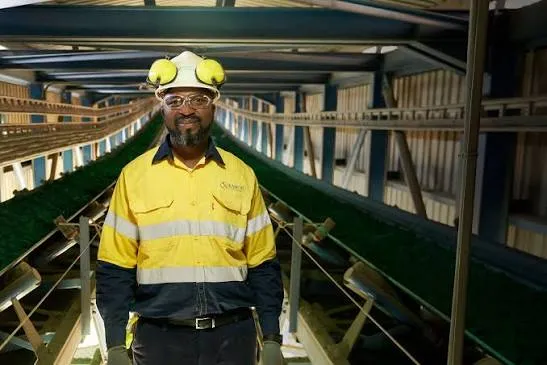
According to research from Austrade, 12 Australian companies have invested $26 million in exploration efforts in Tanzania this year alone. Morriss described this as a strong signal of Australia’s confidence in the potential of Tanzania’s mining industry. But the financial contribution is just one part of Australia’s involvement. Australian firms are also focused on skills development, particularly in communities near mining operations. Programs include digital education initiatives, postgraduate engineering courses, and training for mine safety and machinery operations, all designed to help Tanzanians take on more specialized roles in the industry.
Beyond Tanzania, Australia has built a global reputation as a leader in mining innovation. More than 65% of Australian Mining, Equipment, Technology, and Services (METS) companies export their products and expertise overseas, with Africa accounting for roughly a third of these exports. In 2020, Australian METS companies generated $114 billion AUD globally, bolstered by their ability to adapt to complex and challenging mining environments.
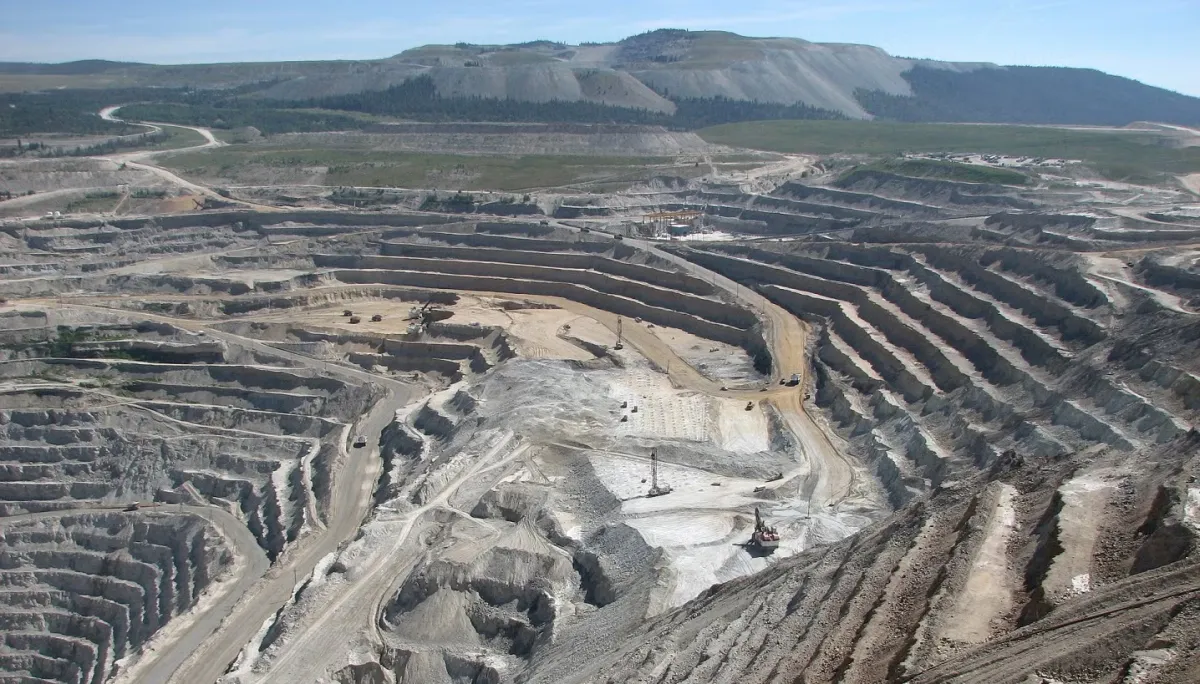
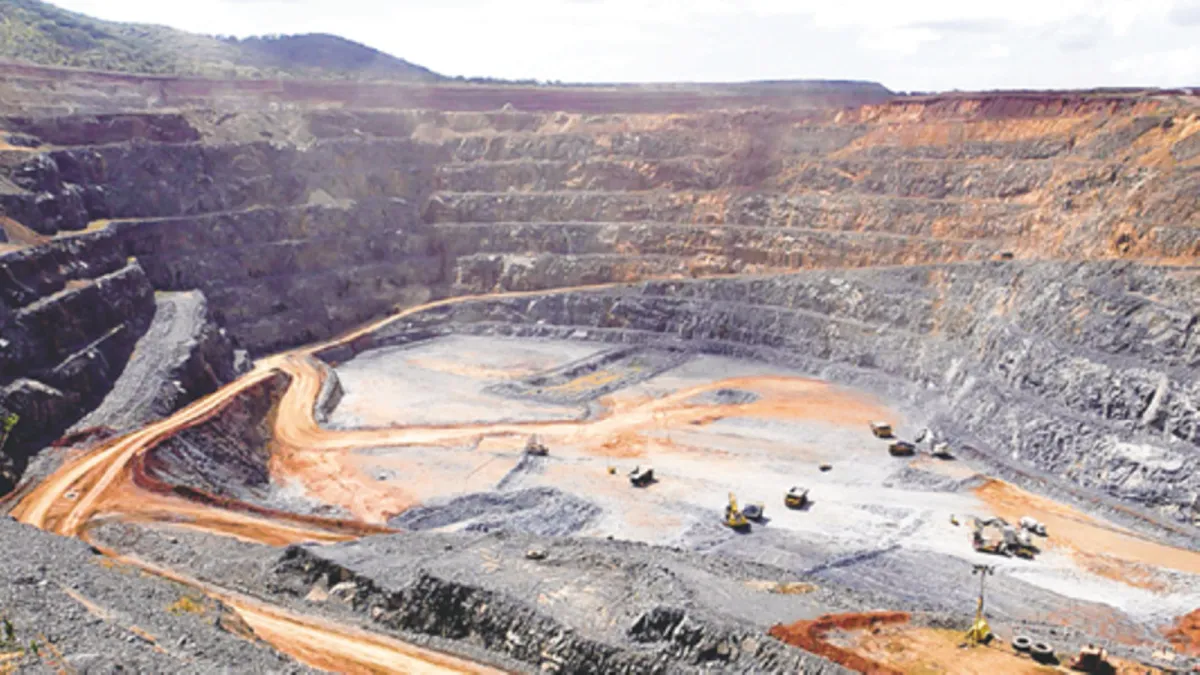
Morriss pointed out that Australian firms excel in tackling harsh conditions, from large open-pit operations in the Kalahari Copper Belt to sub-zero underground gold mines in northern Canada. Their innovations often focus on sustainability, including advanced water management systems and initiatives designed to support communities after mines close. He credited decades of government stability, sound investment policies, and consistent tax and regulatory frameworks with creating an environment where Australian companies could thrive and develop these technologies.
Tanzania, meanwhile, is pushing to position itself as a mining hub for Africa. Speaking at the same event, Deputy Minister for Minerals Steven Kiruswa outlined the government’s ambition to boost the sector’s contribution to GDP to 10% by June 2024, up from the current 9%. The country’s mineral reserves include a mix of metallic and non-metallic resources, and Kiruswa said the government is investing heavily in infrastructure to attract foreign investors. Key projects include the Standard Gauge Railway, airport expansions, and efforts to expand electricity access across the country.
Kiruswa also pointed to recent mining law reforms as a critical factor in making Tanzania a more attractive destination for investment. Amendments in 2017 and 2019 were designed to streamline regulatory processes, strengthen investor protections, and improve the overall business environment. He noted that political stability, coupled with standardized agreements guaranteeing security for investors, has helped Tanzania remain competitive in the region.
The government has also emphasized local content regulations to ensure that Tanzanians benefit directly from the mining sector. Over the past four years, local companies have earned $1.5 billion through partnerships with foreign firms, contributing to broader economic growth. Kiruswa said the goal is to create a mining industry that not only attracts international investment but also drives development in local communities.
Australian firms are well-positioned to take advantage of these opportunities. Their experience, combined with Tanzania’s growing infrastructure and investor-friendly reforms, creates the potential for a mutually beneficial partnership. However, success will depend on maintaining the momentum of recent reforms and ensuring that the regulatory environment remains clear and stable.
The scale of Australia’s investment in Tanzania is a reflection of both countries’ priorities. For Tanzania, the mining sector represents a chance to diversify its economy and build long-term wealth. For Australia, it is an opportunity to expand its footprint in Africa while applying its expertise to a region rich in resources but still developing the infrastructure and policies needed to fully capitalize on them. If Tanzania continues on its current trajectory, it may yet emerge as one of Africa’s premier destinations for mining investment.