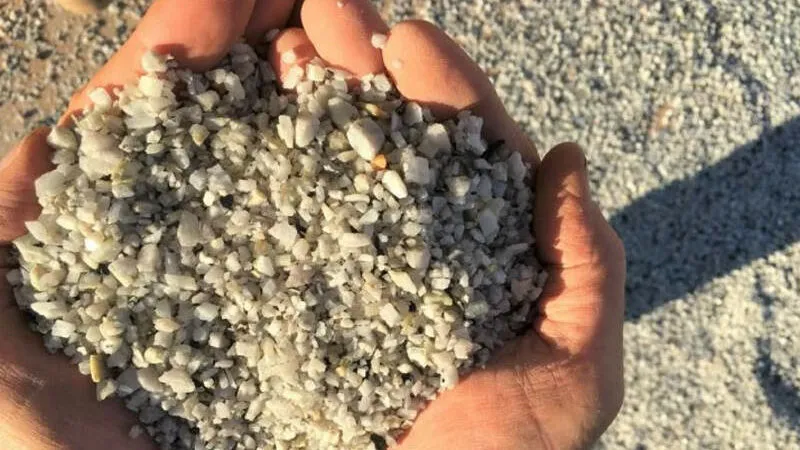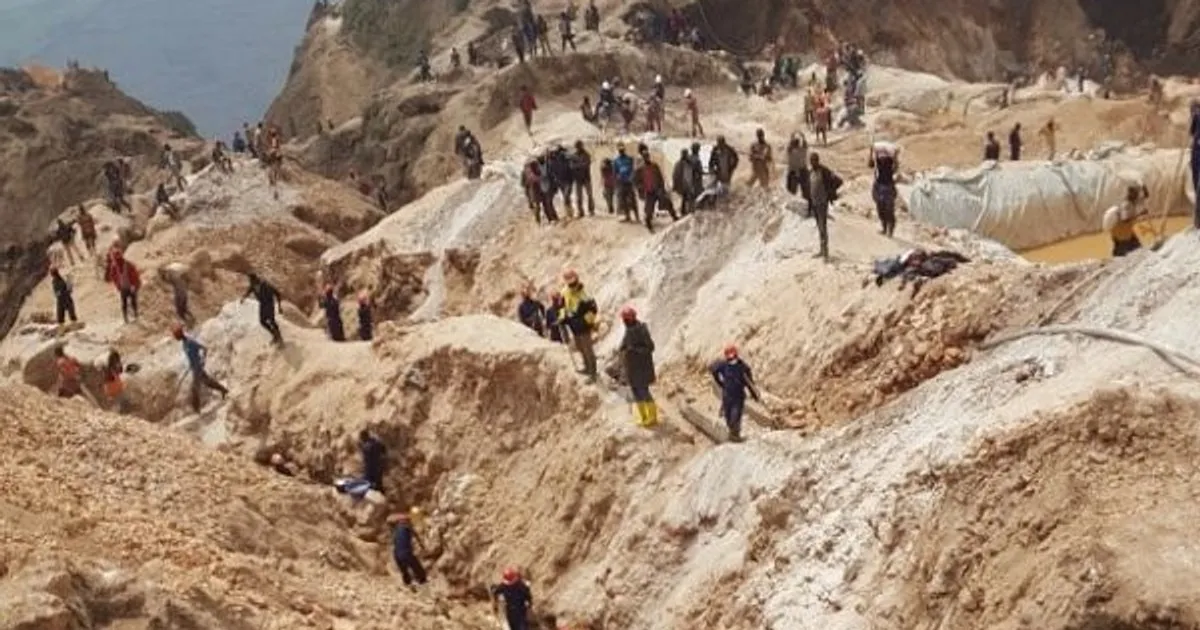
At a ceasefire evaluation meeting in Kinshasa on November 4, 2024, the Democratic Republic of Congo’s (DRC) Minister of Foreign Affairs, Thérèse Kayikwamba, sharply criticized the international community’s inaction regarding Rwanda’s alleged exploitation of conflict minerals from the DRC’s eastern provinces. Addressing diplomats from the African Union, United Nations, and European Union, Kayikwamba accused Rwanda of backing armed groups to gain control of lucrative mining areas, enabling the smuggling of minerals such as gold, coltan, and tantalum.
“Rwanda’s public statements advocating peace stand in stark contrast to its actions in the region,” Kayikwamba said, pointing to what she described as a coordinated effort to destabilize the DRC for economic gain. She urged the international community to enforce accountability, citing the need for stronger regional justice mechanisms and calling on the UN Security Council to uphold the principles of the UN Charter to prevent the conflict from spreading further into neighboring states.
The minister’s remarks come amid mounting tensions over the illegal trade of conflict minerals, a key driver of violence in the eastern DRC. Armed groups operating in the region have long exploited mineral-rich areas, using the proceeds to fund their operations. The DRC has repeatedly accused Rwanda of supporting these groups to maintain access to these resources, claims that Rwanda denies.
Kayikwamba’s proposal for regional justice mechanisms includes the establishment of cross-border tribunals and strengthened cooperation to dismantle smuggling networks. She also emphasized the need for international sanctions targeting individuals and entities profiting from the illegal mineral trade.
The meeting, which brought together representatives from the African Union, United Nations, and European Union, underscored the urgent need for coordinated international action to address the resource-driven violence destabilizing the Great Lakes region.