Canada’s Platinum Group Metals (TSX: PTM; NYSE-AM: PLG) has joined forces with Saudi Arabia and Riyadh-based investment firm Ajlan & Bros to develop a smelter and refinery in the Middle East. The ambitious venture hinges on feedstock from the company’s yet-to-be-built Waterberg mine in South Africa, which carries a nearly $1 billion capital expenditure price tag. However, South Africa’s stringent trade restrictions on exporting unrefined precious metals remain a critical hurdle, casting uncertainty over the project’s viability.
According to BMO Capital Markets analyst Raj Ray, the key challenge lies in obtaining long-term export permits from South African authorities to ship the mine’s concentrate to Saudi Arabia for processing. Without this approval, the entire operation hangs in the balance. While Platinum Group Metals is exploring beneficiation options domestically, it has yet to secure assurances from the South African government, leaving the project’s future dependent on regulatory negotiations.
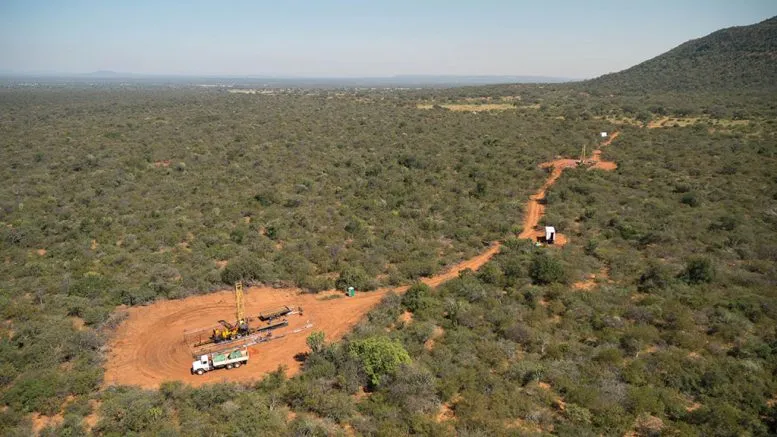
The Waterberg project, located in South Africa’s Bushveld Igneous Complex, boasts one of the largest untapped platinum group metals (PGM) resources in the country. Its September feasibility study estimates a 54-year mine life with peak annual production of 432,950 ounces of platinum, palladium, rhodium, and gold (4E). Proven and probable reserves stand at 246.2 million tonnes at 2.96 grams 4E per tonne, equating to 23.4 million ounces of metal. The project is projected to generate $6.5 billion in after-tax cash flow over its lifetime, with all-in sustaining costs of $761 per ounce. Despite these promising metrics, the road to development remains fraught with regulatory and logistical challenges.
Ajlan & Bros, which manages over $15 billion in assets, initially partnered with Platinum Group Metals in December 2023 to explore the smelter and refinery project. The firms are now undertaking a $4 million feasibility study, split evenly between them, with an option to form a joint venture for concentrate offtake. The Saudi partner has also identified opportunities to integrate recycled PGM-bearing materials, such as automotive catalysts, as an alternative feedstock to lessen reliance on Waterberg’s concentrates.
This collaboration aligns with Saudi Arabia’s Vision 2030 initiative, which aims to diversify the country’s economy by expanding mining and industrial activities. The project also supports the Global Supply Chain Resilience Initiative, designed to bolster supply chains and attract export-driven investments. Saudi Arabia’s Ministry of Investment has pledged strategic guidance and financial evaluation to ensure the project’s success. However, while the smelter and refinery promise to reduce dependence on traditional markets and broaden the supply chain, much depends on overcoming South Africa’s regulatory barriers.
For South Africa, Waterberg presents a dual opportunity. While the primary goal is to export ore, local PGM smelters could benefit from Waterberg’s sulphide-rich concentrates, which may optimize furnace recoveries. This is particularly relevant as existing smelters face declining reserves from the platinum-rich Merensky Reef and increased reliance on Upper Group 2 ore, which is less metallurgically favorable.
Meanwhile, Platinum Group Metals continues to face a challenging market environment. Shares of the company closed flat at C$2.25 on Wednesday, within a 12-month range of C$1.30 to C$3.13, giving it a market capitalization of C$253.9 million. While the potential rewards of the Saudi partnership and Waterberg development are significant, the risks and complexities surrounding regulatory approval, infrastructure development, and market dynamics remain formidable.