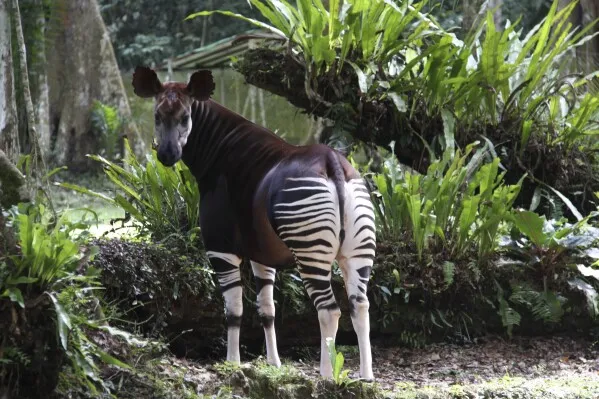
The Okapi Wildlife Reserve, a UNESCO World Heritage Site in eastern Congo, is under growing threat from Chinese-run gold mining operations that are encroaching on its fragile ecosystems. Renowned for its rich biodiversity and vital role as a carbon sink, the reserve was established as a protected area in 1996.
Yet, in recent years, questionable boundary changes have opened the door to semi-industrial mining activities, despite laws prohibiting such operations in protected zones.
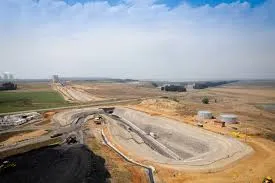
Local communities and environmental advocates have reported devastating consequences. Mining activities have caused widespread deforestation, polluted waterways, and left soil infertile. Wildlife populations, already vulnerable, are dwindling, while poaching has intensified as miners settle in the area. Indigenous groups, who have lived in harmony with the forest for generations, are being displaced, threatening their livelihoods and cultural heritage.
Kimia Mining, a Chinese company operating within the reserve, claims it is in compliance with Congolese laws, pointing to government-issued permits. However, conservationists and local officials have raised serious concerns about the validity of these permits.
Discrepancies in official maps and persistent allegations of corruption suggest that key decisions regarding the reserve’s boundaries may have been manipulated.
The situation has drawn international attention, with UNESCO demanding that the Congolese government clarify its plans to address the issue by February 2025. Enforcement of conservation laws remains inconsistent, and the reserve’s future hangs in the balance as stakeholders grapple with competing interests.
The Okapi Wildlife Reserve, often referred to as the “lungs of the Congo Basin,” is critical not just for local biodiversity but also for global climate stability. Its destruction would have far-reaching consequences, making the resolution of this conflict a test of Congo’s commitment to safeguarding its natural heritage.