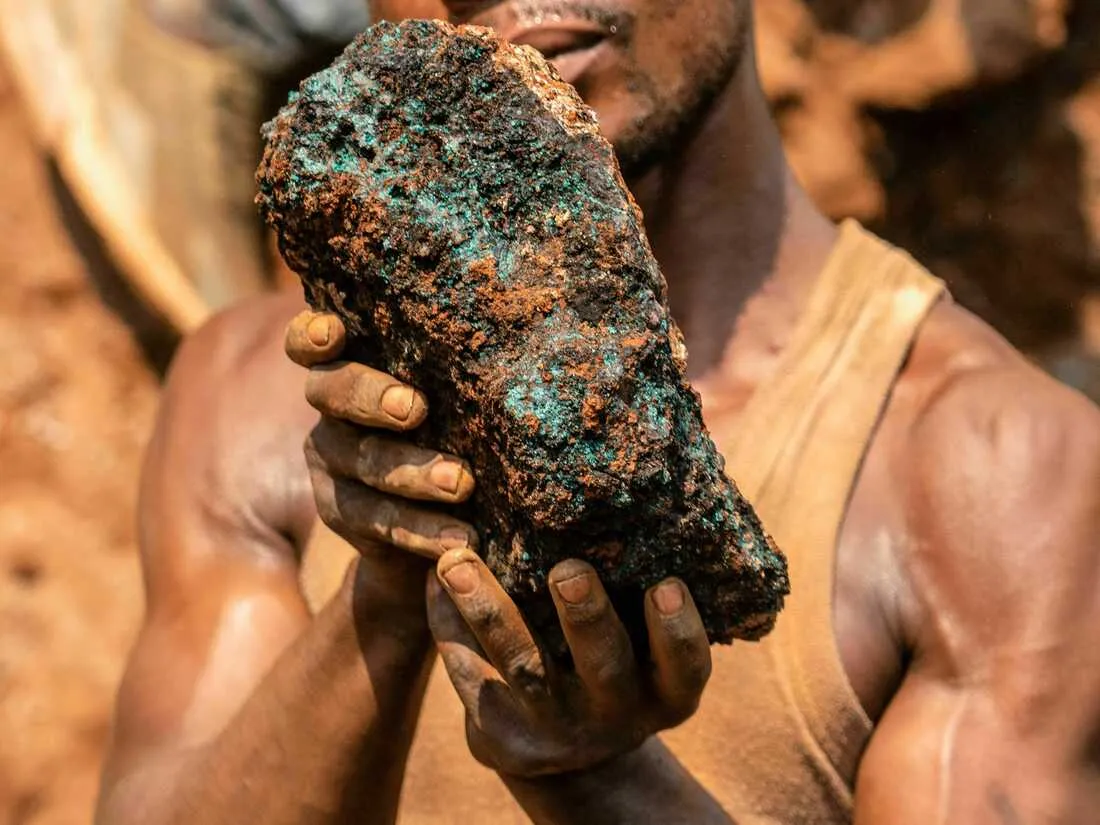
Kolwezi, the mining capital of the Democratic Republic of Congo (DRC), is emerging as a strategic flashpoint in the growing rivalry between the United States and China for control of critical mineral resources in Africa. Home to some of the world’s largest reserves of copper and cobalt—key components in electric vehicle batteries and renewable energy technologies—Kolwezi has become a focal point for global powers seeking to secure their supply chains amid the accelerating energy transition. The DRC produces roughly 70% of the world’s cobalt, with much of it mined in Kolwezi’s mineral-rich Lualaba Province, a region whose resources are essential for the global shift to green energy.
China, which has invested heavily in Congo’s mining sector over the past two decades, dominates cobalt production through its ownership of major mining operations and refining facilities. Chinese state-backed companies, such as China Molybdenum, have entrenched their presence by acquiring stakes in Congolese mines, often partnering with local entities. The United States, however, is increasingly positioning itself to challenge this dominance. Recent U.S. initiatives, including partnerships with Congolese authorities and Western allies, aim to promote “clean” and transparent mineral supply chains while reducing reliance on China. Kolwezi’s vast mineral reserves are now a geopolitical chessboard, with both powers vying for influence in a region whose resources are critical to shaping the future of global energy markets. For Congo, the spotlight presents both an opportunity to renegotiate deals and a challenge to ensure its resources benefit local development.